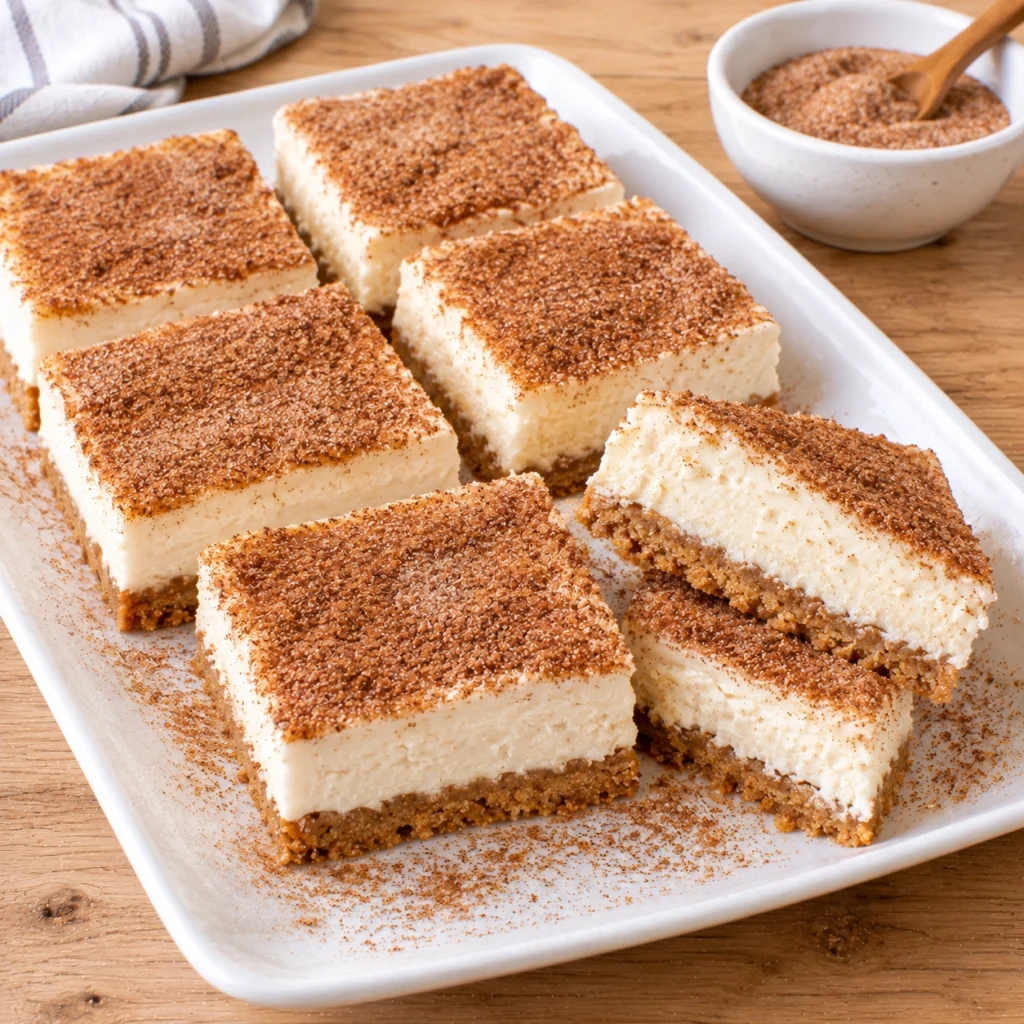
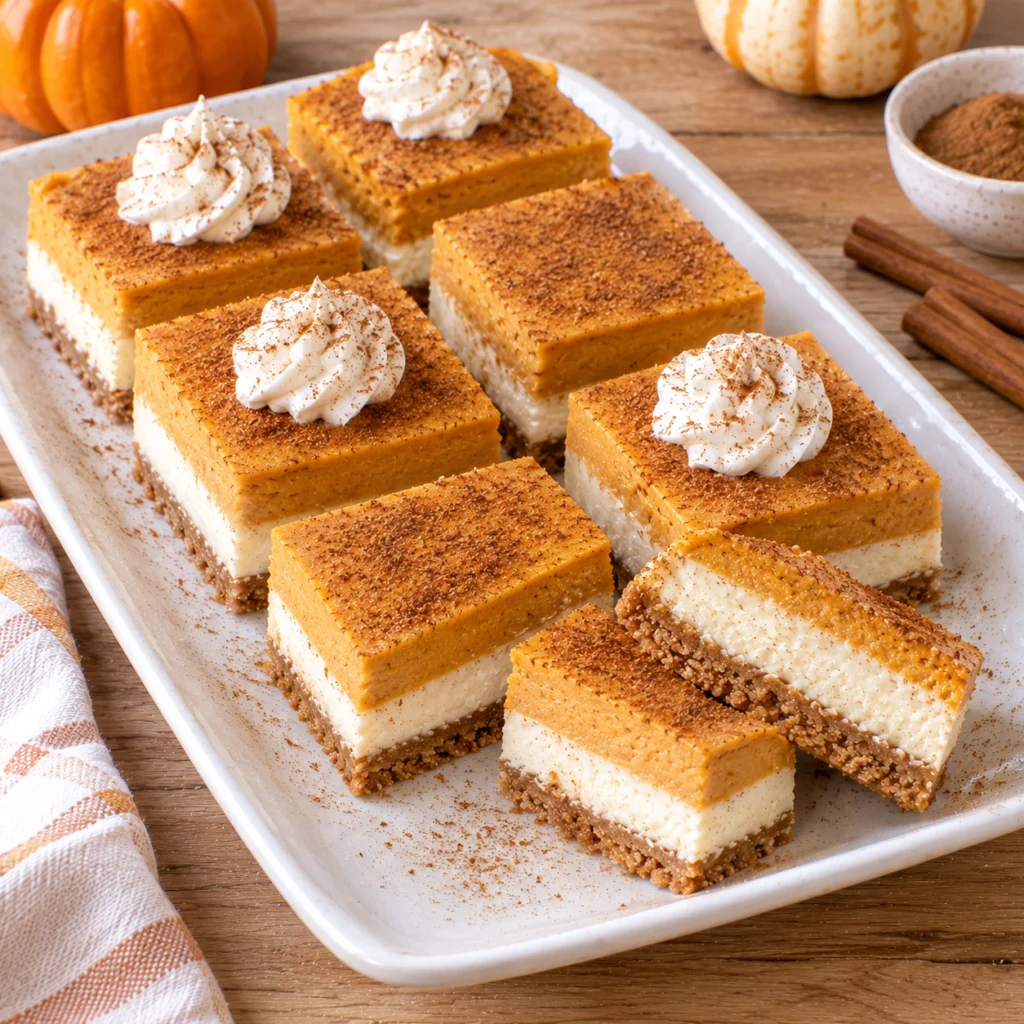
These keto lemon and coconut cookies are soft, lightly chewy, and full of fresh citrus flavor with a hint of tropical coconut. Made with almond flour, coconut flour, erythritol, fresh lemon zest, and unsweetened shredded coconut, they are an easy low-carb treat ready in about 25–27 minutes. Each cookie has a bright lemon taste and a tender texture without traditional sugar or wheat flour.

Quick facts
| Detail | Information |
|---|---|
| Prep Time | 15 minutes |
| Cook Time | 10–12 minutes |
| Total Time | 25–27 minutes, plus cooling |
| Servings | 12 cookies |
| Difficulty | Easy |
| Cuisine | American |
| Course | Dessert / Snack |
| Diet | Keto, low-carb, gluten-free |
Why You’ll Love This Recipe
- Fresh lemon flavor: Lemon zest and juice give every cookie a bright, refreshing citrus taste.
- Delicious coconut texture: Unsweetened shredded coconut adds a subtle tropical flavor and pleasant texture.
- Low-carb ingredients: Almond flour, coconut flour, and erythritol make these cookies suitable for many low-carb baking plans.
- Quick preparation: The dough comes together in about 15 minutes, with no complicated baking techniques.
- Naturally gluten-free ingredients: There is no traditional wheat flour in this recipe.
- Easy to customize: Add poppy seeds, sugar-free white chocolate chips, or macadamia nuts to create your own variation.
Ingredients
These cookies use a simple combination of almond flour, coconut flour, butter, fresh lemon, and shredded coconut. For the best flavor, use fresh lemon zest and juice.
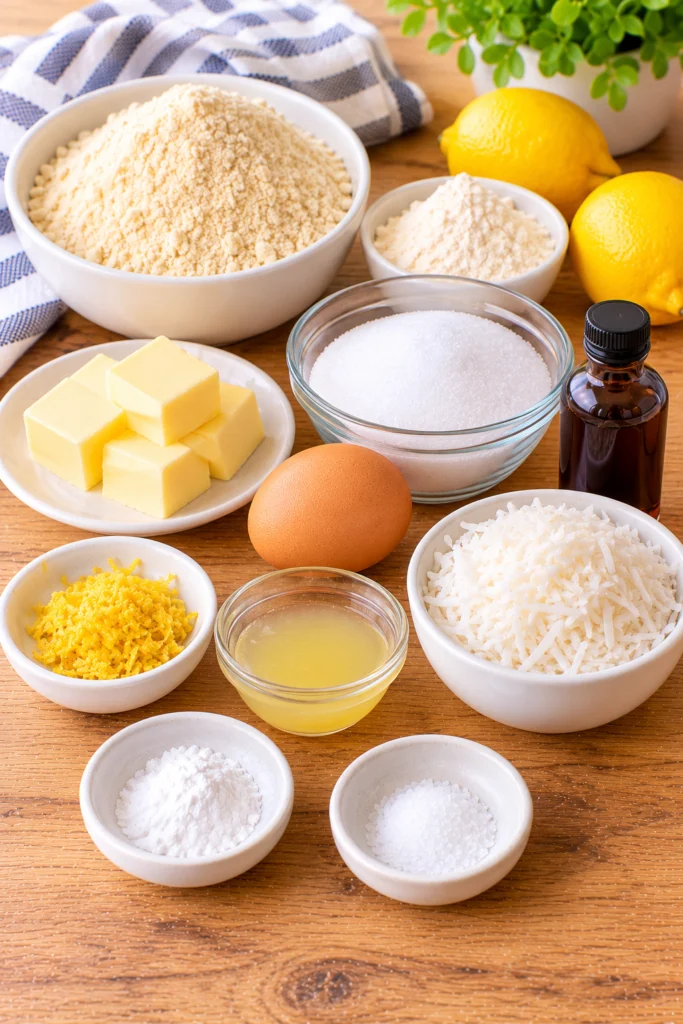
Ingredients List
| ngredient | Quantity | Notes |
|---|---|---|
| Blanched almond flour | 1½ cups | Use superfine almond flour |
| Coconut flour | 2 tablespoons | Helps absorb moisture |
| Granulated erythritol | ½ cup | Keto-friendly sweetener |
| Baking powder | ½ teaspoon | Helps the cookies rise |
| Fine sea salt | ¼ teaspoon | Balances the sweetness |
| Unsalted butter, softened | ½ cup | Use room-temperature butter |
| Large egg | 1 | Room temperature |
| Fresh lemon zest | 1 tablespoon | Adds concentrated lemon flavor |
| Fresh lemon juice | 2 tablespoons | Provides citrus brightness |
| Vanilla extract | ½ teaspoon | Adds flavor depth |
| Unsweetened shredded coconut | ⅓ cup | Adds coconut flavor and texture |
Ingredient Notes and Substitutions
Blanched almond flour: Superfine blanched almond flour creates a soft, tender cookie texture. Avoid almond meal because its coarser texture can make the cookies grainy.
Coconut flour: Coconut flour absorbs moisture quickly, so the recipe only needs two tablespoons. Do not replace it cup-for-cup with almond flour because the two flours behave very differently.
Granulated erythritol: This provides sweetness without traditional sugar. You can use a monk fruit-erythritol blend that measures similarly to granulated sugar. Adjust according to the sweetness of your chosen product.
Unsalted butter: Softened butter helps create a smooth cookie dough and gives the cookies a rich flavor. For a dairy-free option, use softened coconut oil or a suitable plant-based butter alternative. The texture may change slightly.
Large egg: The egg binds the dough and helps the cookies hold their shape. Use a room-temperature egg for easier mixing.
Fresh lemon zest: This is one of the most important ingredients for a strong lemon flavor. Use a fine grater or microplane and avoid grating the bitter white pith.
Fresh lemon juice: Fresh juice adds tanginess and balances the sweetness. Bottled lemon juice can work if fresh lemons are unavailable, but fresh juice usually gives a brighter flavor.
Unsweetened shredded coconut: This adds a gentle coconut flavor and texture without unnecessary added sugar. Check the package to make sure it is unsweetened.
How to Make Keto Lemon and Coconut Cookies
The dough comes together quickly, and the cookies bake in just 10–12 minutes. The most important step is allowing them to cool on the baking sheet so they can firm up properly.

Step 1: Preheat the Oven
Preheat your oven to 350°F (175°C). Line a baking sheet with parchment paper or a silicone baking mat to prevent sticking and make cleanup easier.
Step 2: Combine the Dry Ingredients
In a medium mixing bowl, whisk together the almond flour, coconut flour, baking powder, and fine sea salt. Break up any lumps so the dry mixture is evenly combined.
Step 3: Cream the Butter and Sweetener
In a separate large mixing bowl, use a hand mixer to beat the softened butter and granulated erythritol for about 2 minutes. Continue until the mixture looks lighter and fluffy.
Step 4: Add the Egg and Lemon
Add the egg, fresh lemon zest, lemon juice, and vanilla extract to the butter mixture. Beat until everything is smooth and evenly incorporated.
Step 5: Mix in the Dry Ingredients
Gradually add the dry flour mixture to the wet ingredients. Mix on low speed just until a thick cookie dough forms. Avoid overmixing.
Step 6: Fold in the Coconut
Add the unsweetened shredded coconut. Use a spatula to gently fold it into the dough until evenly distributed.
Step 7: Divide the Dough
Divide the dough into 12 equal portions. Roll each portion gently between your hands to form a ball.
Step 8: Arrange on the Baking Sheet
Place the cookie dough balls on the prepared baking sheet, leaving approximately 2 inches between each one to allow for slight spreading.
Step 9: Flatten the Cookies
Gently press each dough ball with your hand or the bottom of a glass until it is approximately ½ inch thick. These cookies do not spread as much as traditional wheat-flour cookies, so shaping them before baking helps create an even thickness.
Step 10: Bake
Bake for 10–12 minutes, or until the edges look firm and begin turning lightly golden. The centers may still look soft when you remove the cookies from the oven.
Step 11: Cool Before Serving
Leave the cookies on the baking sheet for at least 15 minutes. They are delicate while warm, so allow them to firm up before transferring them to a wire rack.
Pro Tips for Perfect Results
- Use fresh lemon zest: Zest provides concentrated citrus flavor that lemon juice alone cannot deliver.
- Measure coconut flour carefully: Even a little extra can make the cookies dry because coconut flour absorbs a lot of moisture.
- Soften the butter properly: Softened butter should give slightly when pressed but should not be melted.
- Flatten before baking: Almond flour cookies generally spread less than traditional cookies, so shape them to your preferred thickness before baking.
- Watch the edges: Remove the cookies when the edges are just turning golden. Overbaking can make them dry.
- Cool on the baking sheet: Give the cookies time to set before moving them, especially while they are still warm.
Common Mistakes to Avoid
Overbaking the cookies: Keto cookies can become dry quickly. Remove them when the edges are lightly golden and the centers still look a little soft.
Adding too much coconut flour: Coconut flour absorbs significant moisture. Measuring more than the listed two tablespoons can make the dough too dry and crumbly.
Skipping the cooling time: These cookies are fragile immediately after baking. Letting them rest on the baking sheet helps them firm up and hold their shape.
Using cold butter: Cold butter will not cream properly with the sweetener. Allow it to soften at room temperature before mixing.
Using too much lemon juice: Stick to the listed two tablespoons. Adding extra liquid can change the consistency of the dough.
Variations
- Lemon Poppy Seed Cookies: Add 1–2 tablespoons of poppy seeds to the dough along with the shredded coconut for a classic lemon poppy seed flavor.
- Coconut Lime Cookies: Replace the lemon zest and juice with lime zest and juice for a tropical citrus variation.
- White Chocolate Lemon Cookies: Fold in a small amount of sugar-free white chocolate chips for extra sweetness and creamy chocolate flavor.
- Macadamia Coconut Cookies: Add chopped macadamia nuts for a buttery crunch that pairs beautifully with lemon and coconut.
- Extra Coconut Cookies: Sprinkle a little additional unsweetened shredded coconut over the cookies before baking for more coconut texture.
Serving Suggestions
These cookies are delicious on their own, but you can also serve them with a few simple additions:
- Enjoy one with a hot cup of coffee or tea for an afternoon snack.
- Serve alongside unsweetened Greek yogurt for a light breakfast-style treat.
- Add a spoonful of keto whipped cream for an easy dessert.
- Pair with fresh berries for a refreshing dessert plate.
- Serve chilled from the refrigerator for a slightly firmer, refreshing cookie.
Storage and Reheating

Allow the cookies to cool completely before storing them. This prevents trapped steam from making them soft or damp.
| Storage Method | Duration | Instructions |
|---|---|---|
| Airtight Container | 3–5 days | Store completely cooled cookies in an airtight container in a cool, dry place. |
| Freezer | 1–2 months | Freeze cookies in a single layer until firm, then transfer them to a freezer-safe bag or container. Thaw at room temperature. |
Can You Make the Dough Ahead?
Yes. Prepare the cookie dough, cover it tightly, and refrigerate for up to 2 days. When ready to bake, portion and shape the dough. If it feels too firm after chilling, let it sit at room temperature briefly before shaping.
How to Reheat
These cookies are best enjoyed at room temperature. If you prefer them slightly warm, microwave one cookie for about 5–8 seconds. Avoid heating for too long because almond flour cookies can become dry.
Nutritional Information
The following values are estimates for one cookie when the recipe makes 12 cookies. Actual nutrition depends on the brands of almond flour, coconut flour, sweetener, and shredded coconut used.
| Nutrient | Approximate Amount Per Cookie |
|---|---|
| Serving Size | 1 cookie |
| Calories | 150–180 kcal |
| Net Carbs | 2–3 g |
| Fat | 13–16 g |
| Protein | 4–5 g |
| Total Carbohydrates | Varies by brand |
| Fiber | Varies by brand |
Net carbohydrate values depend on the sweetener and ingredient labels. Check the nutrition information on your specific products for the most accurate calculation.
Frequently Asked Questions
Can I make keto lemon and coconut cookies ahead of time?
Yes. You can prepare the dough up to 2 days ahead and keep it covered in the refrigerator. You can also bake the cookies in advance and store them in an airtight container for several days.
How do I keep keto cookies from crumbling?
Allow the cookies to cool on the baking sheet for at least 15 minutes before moving them. Almond flour cookies are delicate when hot but become firmer as they cool. Measuring the ingredients accurately also helps create a dough that holds together.
Can I use bottled lemon juice instead of fresh lemon juice?
Yes, bottled lemon juice can work as a substitute. However, fresh lemon juice and zest provide a brighter flavor. Keep the lemon zest if possible because it gives the cookies much of their citrus aroma.
Can I make these cookies without coconut flour?
Coconut flour helps absorb moisture and balance the dough. It is not a direct substitute for almond flour. Replacing it may require adjusting the other ingredients, so the final texture will not be exactly the same.
Are these keto lemon and coconut cookies gluten-free?
The recipe uses almond flour and coconut flour instead of wheat flour, so the listed ingredients are naturally gluten-free. Check product labels for possible cross-contact or added ingredients if you need to avoid gluten strictly.
Can I freeze baked keto lemon coconut cookies?
Yes. Freeze the completely cooled cookies in a single layer until firm, then transfer them to a freezer-safe container or bag. They can be stored for approximately 1–2 months. Thaw at room temperature before serving.
More Recipes You’ll Love
If you enjoy simple low-carb treats and easy homemade recipes, try these from Findsyourrecipe:
- Easy Keto Brown Butter Blondies (Rich & Chewy) – A tender low-carb bake with fresh lemon and blueberry flavor.
- Healthy High-Protein Apple Crisp – A cozy fruit dessert with a satisfying topping.
- Easy No-Bake Protein Balls – Quick homemade bites for snacks and busy days.
- Keto-Friendly Cottage Cheese Pancakes – A simple breakfast option with a soft, tender texture.
Final Thoughts
These keto lemon and coconut cookies are an easy way to enjoy a bright, citrusy dessert without traditional flour or sugar. Fresh lemon zest gives them a refreshing flavor, while almond flour, coconut flour, and shredded coconut create a soft, tender texture. Make a batch for afternoon coffee, a light dessert, or a make-ahead low-carb snack. Remember to let them cool before serving so they hold together beautifully.
Keto Lemon and Coconut Cookies (Soft, Chewy & Low-Carb)

These keto lemon and coconut cookies are soft, lightly chewy, and full of fresh citrus flavor with a hint of tropical coconut. Made with almond flour, coconut flour, erythritol, fresh lemon zest, and unsweetened shredded coconut, they are an easy low-carb treat ready in about 25–27 minutes. Each cookie has a bright lemon taste and a tender texture without traditional sugar or wheat flour.
- ngredient – Quantity (Notes)
- Blanched almond flour – 1½ cups (Use superfine almond flour)
- Coconut flour – 2 tablespoons (Helps absorb moisture)
- Granulated erythritol – ½ cup (Keto-friendly sweetener)
- Baking powder – ½ teaspoon (Helps the cookies rise)
- Fine sea salt – ¼ teaspoon (Balances the sweetness)
- Unsalted butter, softened – ½ cup (Use room-temperature butter)
- Large egg – 1 (Room temperature)
- Fresh lemon zest – 1 tablespoon (Adds concentrated lemon flavor)
- Fresh lemon juice – 2 tablespoons (Provides citrus brightness)
- Vanilla extract – ½ teaspoon (Adds flavor depth)
- Unsweetened shredded coconut – ⅓ cup (Adds coconut flavor and texture)
- Preheat the Oven
- Combine the Dry Ingredients
- Cream the Butter and Sweetener
- Add the Egg and Lemon
- Mix in the Dry Ingredients
- Fold in the Coconut
- Divide the Dough
- Arrange on the Baking Sheet
- Flatten the Cookies
- Bake
- Cool Before Serving
- Use fresh lemon zest: Zest provides concentrated citrus flavor that lemon juice alone cannot deliver.
- Measure coconut flour carefully: Even a little extra can make the cookies dry because coconut flour absorbs a lot of moisture.
- Soften the butter properly: Softened butter should give slightly when pressed but should not be melted.
- Flatten before baking: Almond flour cookies generally spread less than traditional cookies, so shape them to your preferred thickness before baking.
- Watch the edges: Remove the cookies when the edges are just turning golden. Overbaking can make them dry.
- Cool on the baking sheet: Give the cookies time to set before moving them, especially while they are still warm.

Bella is a home cook who turns simple, everyday ingredients into meals worth gathering around. On Finds Your Recipe she shares quick weeknight dinners, cozy comfort food, and easy desserts made for real, busy life — no fancy skills needed, just good food on the table.
Learn more about Bella